
Traveling to Spain for the first time? You’re in for an unforgettable experience, from the vibrant energy of Madrid’s plazas to the dreamy Moorish palaces of Andalusia and the sun-soaked beaches of Costa Brava. But like any new country, Spain has its own rhythm, and knowing a few practical tips can make a huge difference in how smooth (and fun) your trip feels.
Here’s everything I wish I knew before visiting Spain for the first time, from how to stay online, handle money, navigate food culture, and book must-see sites before they sell out.
Affiliate Disclosure: Some of the links in this post may be affiliate links, which means I may earn a commission if you click through and make a purchase, at no additional cost to you. I only recommend products and services I use and love. As always, all opinions are my own.
How to use your phone in Spain
Before your trip to Spain, download an eSIM app like Airalo, Holafly, or Nomad. These apps let you instantly add a Spanish (or Europe-wide) data plan to your phone without swapping out your SIM card.
Most plans cost around $10–$30, depending on how much data you want.
I personally used the Airalo app in Spain, and only paid $10 for 5GB of data to use for 30 days! You can also score $3 off your first purchase by using the code IRINA8735.
Pro tip: Set up your eSIM at home or at the airport while you still have a strong Wi-Fi connection. And remember, you only need data, not a whole phone plan, because apps like WhatsApp are how most people call and text in Spain.

Money in Spain: how to pay, credit cards, and ATMs
What currency does Spain use?
Spain uses the Euro (€), and you’ll need it especially in smaller towns, markets, and local cafes.
How to pay in Spain: cash vs. credit cards
Credit cards and debit cards are widely accepted in Spain, and contactless payments (like tapping your card or using Apple Pay) are very common.
That said, it’s still smart to always carry a little cash, maybe around €50, especially for tips, taxis, bakeries, and smaller businesses.
Best Credit Cards for Spain
Bring a credit card with no foreign transaction fees, like:
- Chase Sapphire Preferred or Reserve
- Capital One Venture X
- American Express Platinum (accepted in more touristy areas)
How to avoid ATM fees while travelling internationally
If you want to withdraw cash in Spain without getting hit with ridiculous fees, open a Charles Schwab Checking Account before your trip.
With this account, you can use any local ATM while traveling and get reimbursed for the fees, no foreign transaction fees, no surprises.
Important: When the ATM asks if you want to convert your withdrawal into USD, always decline. This way, you’ll get the bank’s exchange rate instead of the inflated one.
Schwab refunds all ATM fees worldwide, making it one of the best travel-friendly bank accounts out there.
Pro tip: Avoid ATMs inside convenience stores or touristy kiosks. Stick to those attached to major banks like Santander, BBVA, or CaixaBank for the safest and most reliable experience.

Driving in Spain: what you need to know
Thinking about renting a car in Spain? It can be one of the best ways to explore, the countryside and coastlines are breathtaking by road. We drove from Madrid down to Andalusia, and it was nothing short of magical.
However, there are a few things you’ll want to know before driving in Spain:
- First, you must have an International Driving Permit (IDP) if you’re from the U.S. It’s easy to get through AAA for about $20, and you’ll need it along with your regular driver’s license when renting a car.
- Reserve an automatic car early if you don’t drive stick; manuals are the norm in Spain.
- Parking is tricky in cities. Expect tight spots, parallel parking, and sometimes needing to park outside the city center and walk.
- Tolls are common on highways (“autopistas”), especially in Catalonia. Bring a credit card that works with tap-to-pay for tolls.
If you’re just visiting major cities like Madrid, Seville, or Barcelona, you’re better off using trains and public transport instead of driving.
The food culture in Spain
You probably already heard that meals in Spain happen later than you might expect, and they’re a big part of the culture.

- Breakfast is light (think coffee and a small pastry).
- Lunch is the main meal of the day and usually happens around 2–3 PM.
- Dinner in Spain often doesn’t even start until 9 PM — restaurants might not open until 8!
Rather than rushing through meals, embrace the slow, social dining style. Expect to spend a few hours eating, chatting, and relaxing, especially at dinner.
Some of the dishes in Spain that we loved (and you shouldn’t miss):
- Patatas bravas (crispy potatoes with spicy sauce)
- Tortilla de patatas (Spanish potato omelet)
- Croquetas (creamy fried bites, usually ham or chicken)
- Jamón ibérico (famous cured ham)
- Boquerones (marinated anchovies, especially good in southern Spain)
And of course, don’t leave without trying paella in Valencia or indulging in churros con chocolate for dessert.
Make sure to bring comfortable shoes
I can’t stress this enough: Spain’s cities are meant to be explored on foot. You’ll be walking across uneven cobblestone streets, steep hills, and sprawling plazas.
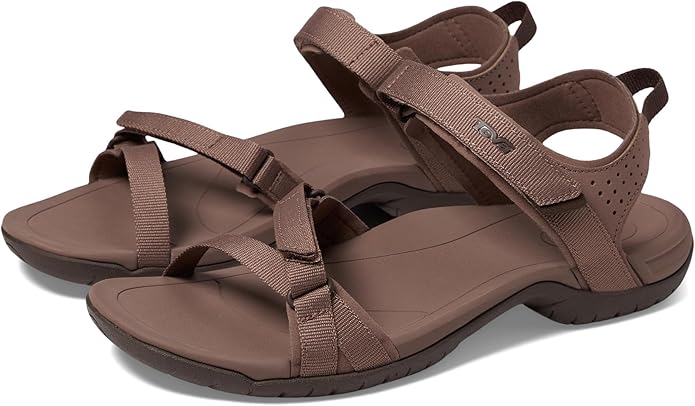
Teva Women’s Verra Sandals
Teva Women’s Verra Sandals feature quick-drying webbing made from recycled REPREVE polyester yarn by Unifi, providing both durability and support. The easy hook-and-loop closure ensures a perfect fit, while the cushioned Shoc Pad in the heel absorbs impact.
Good, broken-in walking shoes are a must. Fashionable sneakers or supportive sandals work great. Skip the flimsy sandals and brand-new shoes unless you want painful blisters after day one.
Book major attractions in Spain early
Spain’s top attractions absolutely sell out, especially during spring, summer, and holidays. If there’s something you know you want to see, book it weeks or even months in advance.

Top sites you should definitely book early:
- Sagrada Familia (Barcelona)
- Alhambra Palace (Granada)
- Park Güell (Barcelona)
- Real Alcázar (Seville)
Many places now require timed-entry tickets, meaning you can’t just show up and buy one at the door.
Pro tip: If you’re visiting Alhambra, get a Generalife + Nasrid Palaces ticket for the full experience, and choose an early time slot to avoid crowds.
You can read more about the Best things to do in Granada with kids: a family guide here.
Tipping culture in Spain
Tipping in Spain is low-key compared to the U.S. and completely optional. General tipping guidelines in Spain:
- Cafes and casual spots: Round up to the nearest Euro or leave small change.
- Restaurants: 5–10% tip is generous if service was good.
- Taxis: Round up a Euro or two.
You’ll never be chased down for not tipping, but rounding up is a nice gesture.
Language tips: Spanish basics to know
While you’ll find some English speakers in tourist areas, most Spaniards really appreciate even a little effort in Spanish.
Helpful phrases to learn:
- Hola (Hello)
- Gracias (Thank you)
- ¿Dónde está el baño? (Where is the bathroom?)
- La cuenta, por favor (The check, please)
In Barcelona and parts of Catalonia, you might also hear Catalan, but Spanish is still widely understood. Don’t stress about perfect pronunciation, a smile and a few words go a long way!
Bottom line
Spain is such a magical place, full of history, color, and energy. If you are traveling to Spain for the first time, with just a little preparation, you can avoid the rookie mistakes and enjoy a smoother, more authentic experience.
Stay connected, handle your money smartly, eat late, walk a lot, and book ahead for the big sights, and you’ll fit right in. Spain is all about slowing down, savoring life, and embracing the moment.


