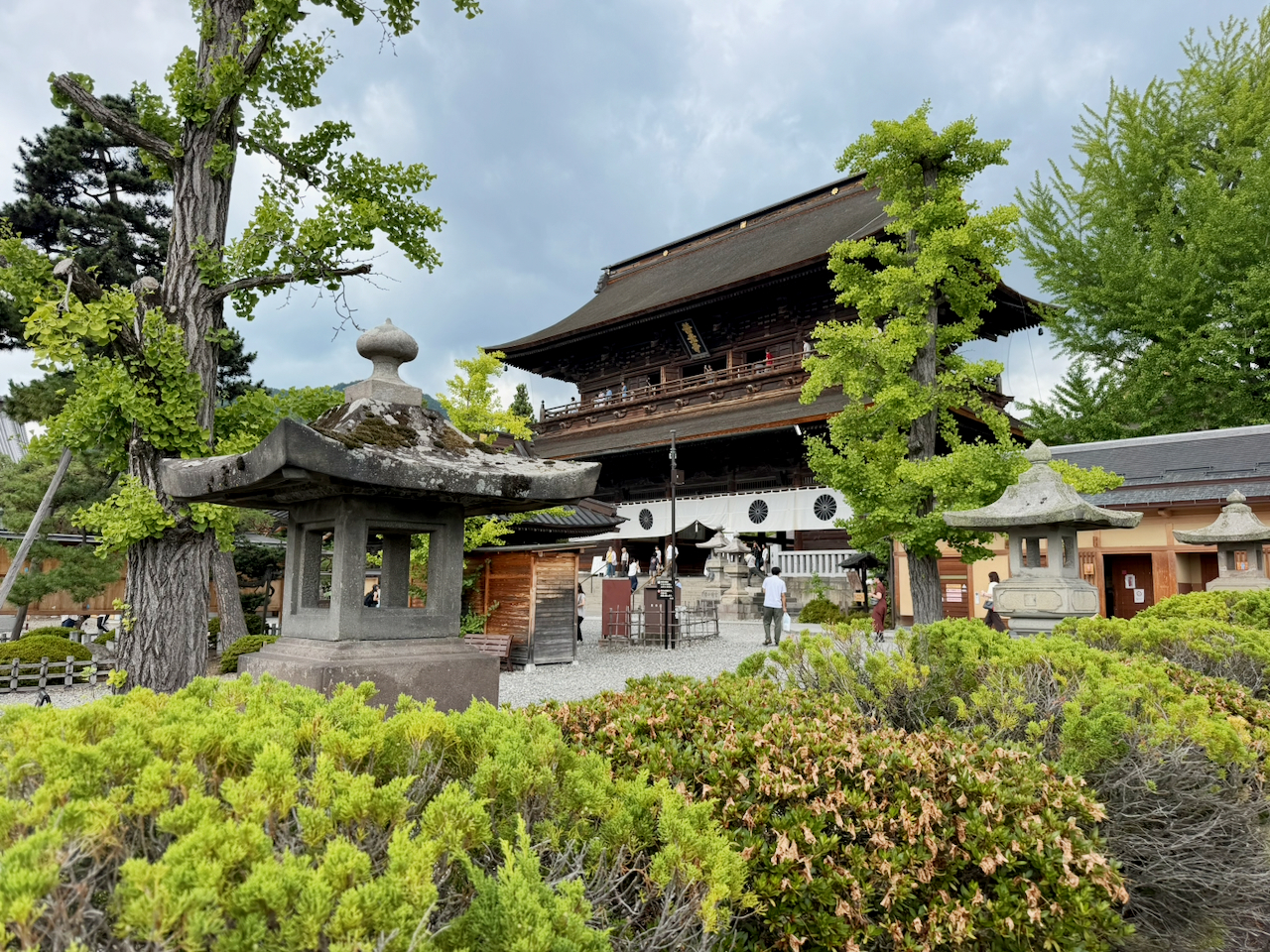
Nagano was one of the stops on our summer trip to Japan, and I loved its quieter pace after busy Tokyo and Osaka. We spent two nights here with our kids, exploring the historic streets, trying local food, and visiting the famous snow monkeys at Jigokudani.
In this guide, I’m sharing the best things to do in Nagano for first-time visitors, where to stay, what to eat, and how to get there from Tokyo or Osaka.
Is Nagano, Japan, Worth Visiting?
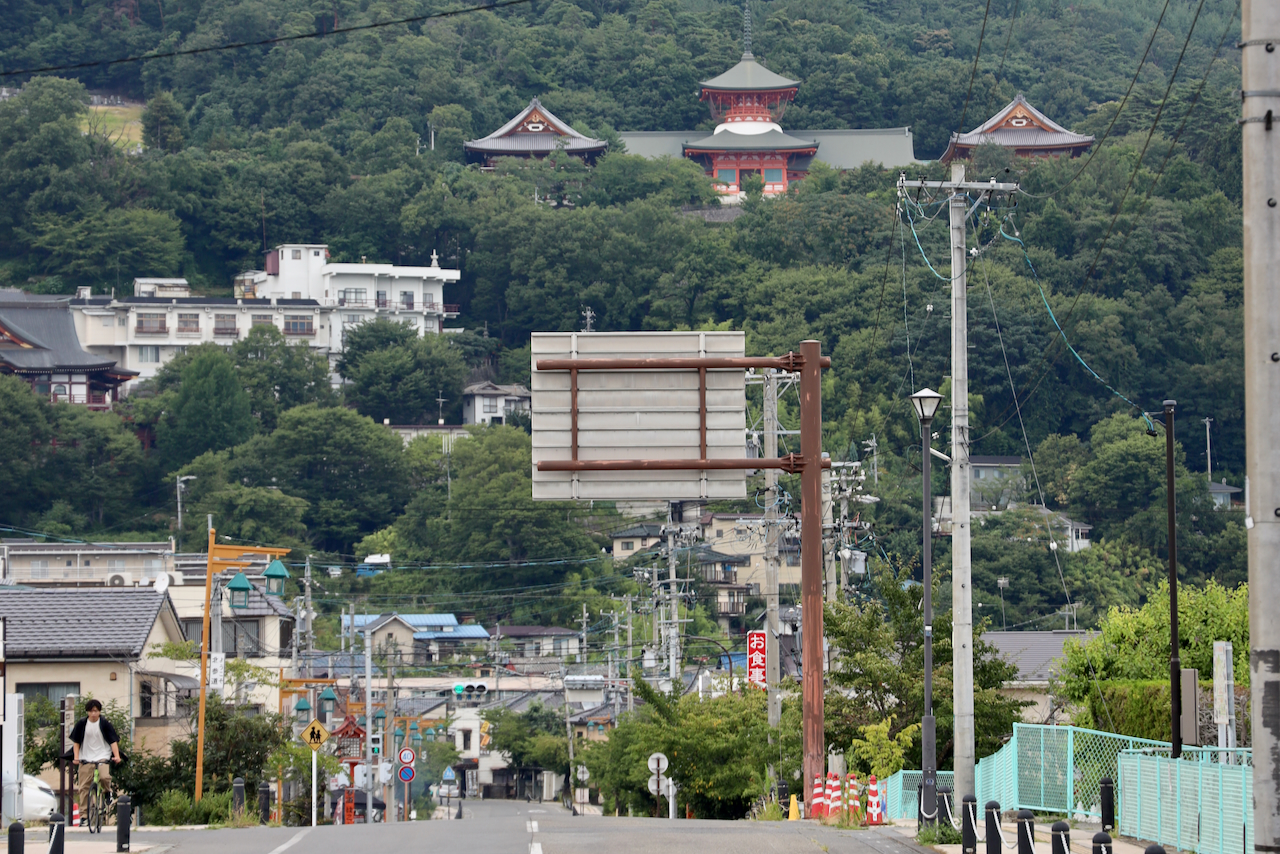
Absolutely! And I think Nagano deserves more than just a quick stop on the way to see the snow monkeys.
Nagano is located in central Japan, surrounded by mountains and known for its historic temples, traditional food, hot springs, and outdoor activities.
It also hosted the 1998 Winter Olympics, which helped put the region on the international tourism map.
One important thing to know is that Nagano City and Nagano Prefecture are not the same thing. Nagano Prefecture is a large region that includes popular destinations like Matsumoto, Hakuba, Karuizawa, and the Japanese Alps.
For this guide, I’m focusing mainly on Nagano City and the nearby Jigokudani Monkey Park, which are easy to combine during a short visit.
We stayed for two nights, and I thought that was a good amount of time for our first visit. It allowed us to explore the city without rushing and spend another day visiting the monkeys.
If you want to explore more of the surrounding mountains, shrines, or small towns, I would recommend adding another day or two.
How to Get to Nagano From Tokyo or Osaka
One of the reasons Nagano is relatively easy to include in a Japan itinerary is its train connections.
You don’t need to rent a car to explore Nagano City or visit Jigokudani Snow Monkey Park.
Getting From Tokyo to Nagano
The easiest way to get from Tokyo to Nagano is by taking the Hokuriku Shinkansen.
- Departure: Tokyo Station or Ueno Station
- Arrival: Nagano Station
- Travel time: Approximately 1 hour 20 minutes to 2 hours, depending on the train
- Transfers: None
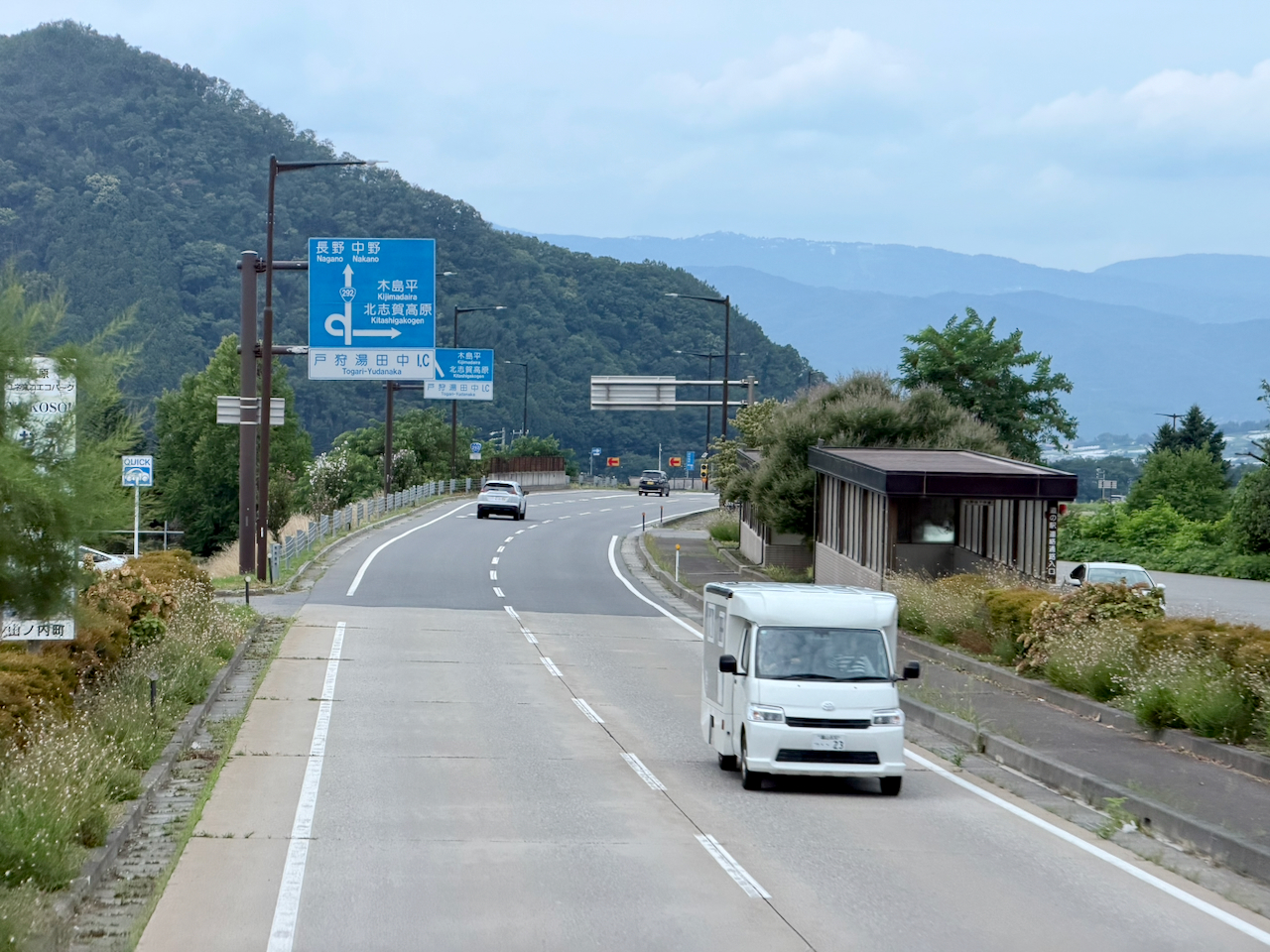
This makes Nagano accessible from Tokyo, even for a day trip. However, I would recommend spending at least one night here.
Getting From Osaka to Nagano
We visited Nagano after spending three nights in Osaka. If you are following a similar itinerary, one convenient train route is through Nagoya.
Step 1: Take the Tokaido Shinkansen from Shin-Osaka Station to Nagoya Station. This takes approximately 50 minutes.
Step 2: At Nagoya Station, transfer to the JR Limited Express Shinano bound for Nagano.
The Shinano train takes approximately 2 hours and 45 minutes to 3 hours and travels through beautiful mountainous countryside.
Allow around 4 hours for the entire journey, including the transfer.
Another option is to travel via Tsuruga, using the Thunderbird Limited Express and Hokuriku Shinkansen. Depending on your departure time and connections, this route can also be convenient.
You can read more about the previous stop on our trip in our 3 Days in Osaka Itinerary With Kids.
How to Get Around Nagano City
Nagano City is relatively easy to explore on foot, especially around the historic center.
From Nagano Station, you can walk along the main Chuo-dori street toward Zenkoji Temple. The walk takes approximately 30 minutes, depending on how often you stop.
Alternatively, you can take a local bus from Nagano Station’s Zenkoji Exit toward Zenkoji Daimon and walk the remaining few minutes.
We enjoyed exploring the city on foot because there were so many little shops and places to eat along the way.
Best Things to Do in Nagano for First-Time Visitors
Visit Zenkoji Temple, Nagano
If there is one attraction you shouldn’t miss in Nagano City, it’s Zenkoji Temple. Zenkoji is one of Japan’s most important Buddhist temples, with a history stretching back approximately 1,400 years.
What makes Zenkoji especially interesting is that it has historically welcomed worshippers regardless of their Buddhist denomination.
The temple’s main hall is a National Treasure, and the grounds include several impressive gates, smaller temple buildings, and traditional architecture.
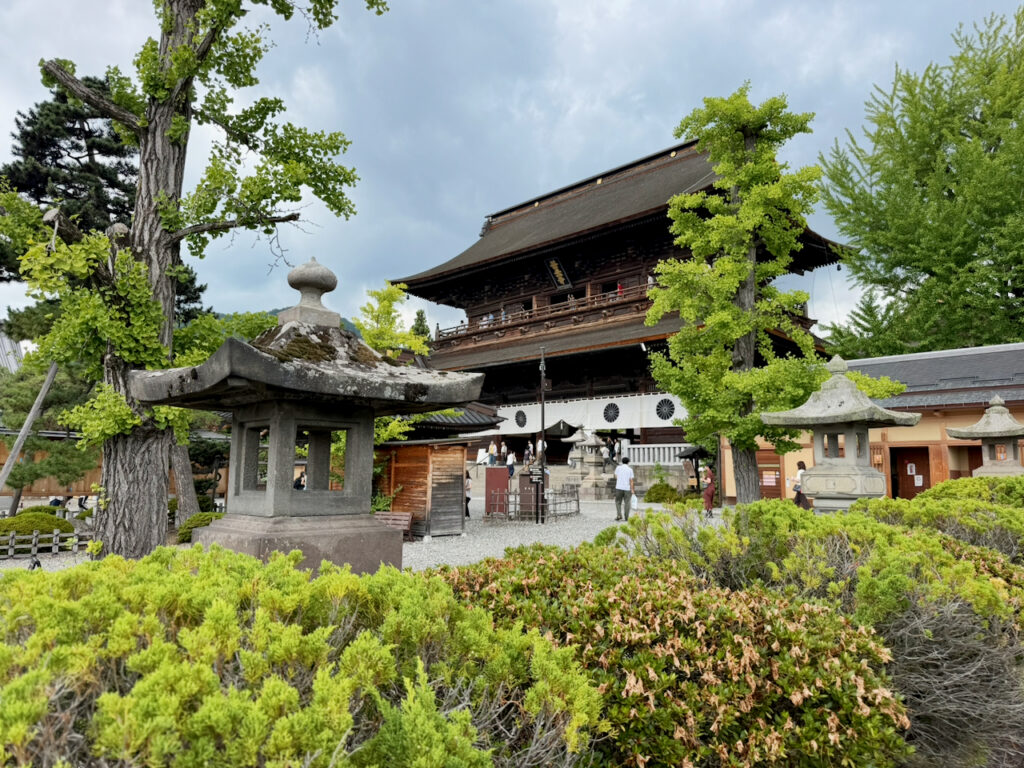
You can explore much of the temple grounds for free, although certain areas and experiences require an admission ticket. Some things worth seeing include:
- Zenkoji Main Hall: The temple’s central building and one of its most important historic structures.
- Sanmon Gate: The large gate in front of the main hall, with an upper-level viewpoint that visitors can access with a ticket.
- Kaidan Meguri: A completely dark underground passage beneath the main hall where visitors try to find a symbolic key.
- Morning Buddhist ceremony: If you’re staying nearby, you can visit early in the morning to experience the temple’s traditional services.
We visited during the summer, and even though Nagano City can still get quite hot, we really enjoyed walking around the temple area.
My recommendation is to allow at least an hour for the temple itself, and considerably longer if you want to explore the surrounding streets and shops.
Walk Along Nakamise Street and Try the Local Snacks
One of my favorite things about visiting Zenkoji Temple was the street leading up to it. The main approach from Nagano Station follows Chuo-dori, also called Zenkoji Omotesando, which has shops, restaurants, and traditional buildings.
Closer to the temple, you’ll reach Nakamise-dori, a historic stone-paved shopping street between the temple’s Niomon and Sanmon gates.
This area is full of small stores selling local snacks, sweets, souvenirs, and regional specialties. We spent quite a bit of time just walking around, stopping for something to eat, and checking out the different shops.
Some local foods worth looking for include apple pastries, oyaki dumplings, soba noodles, and traditional Japanese sweets.
There are also stores selling shichimi togarashi, a Japanese seven-spice blend that is a popular Nagano souvenir.

Try Nagano’s Famous Apples and Apple Pastries
Did you know that Nagano Prefecture is one of Japan’s major apple-growing regions? Apples are a big part of the local food culture, and you’ll notice apple products everywhere.
You can find apple juice, apple pies, apple pastries, and all kinds of apple-flavored sweets. Of course, we had to try some!
One place worth looking for near Zenkoji Temple is Shinshu Ringo Kashi Kobo BENI-BENI, which specializes in apple pastries, including its popular apple and custard pies.
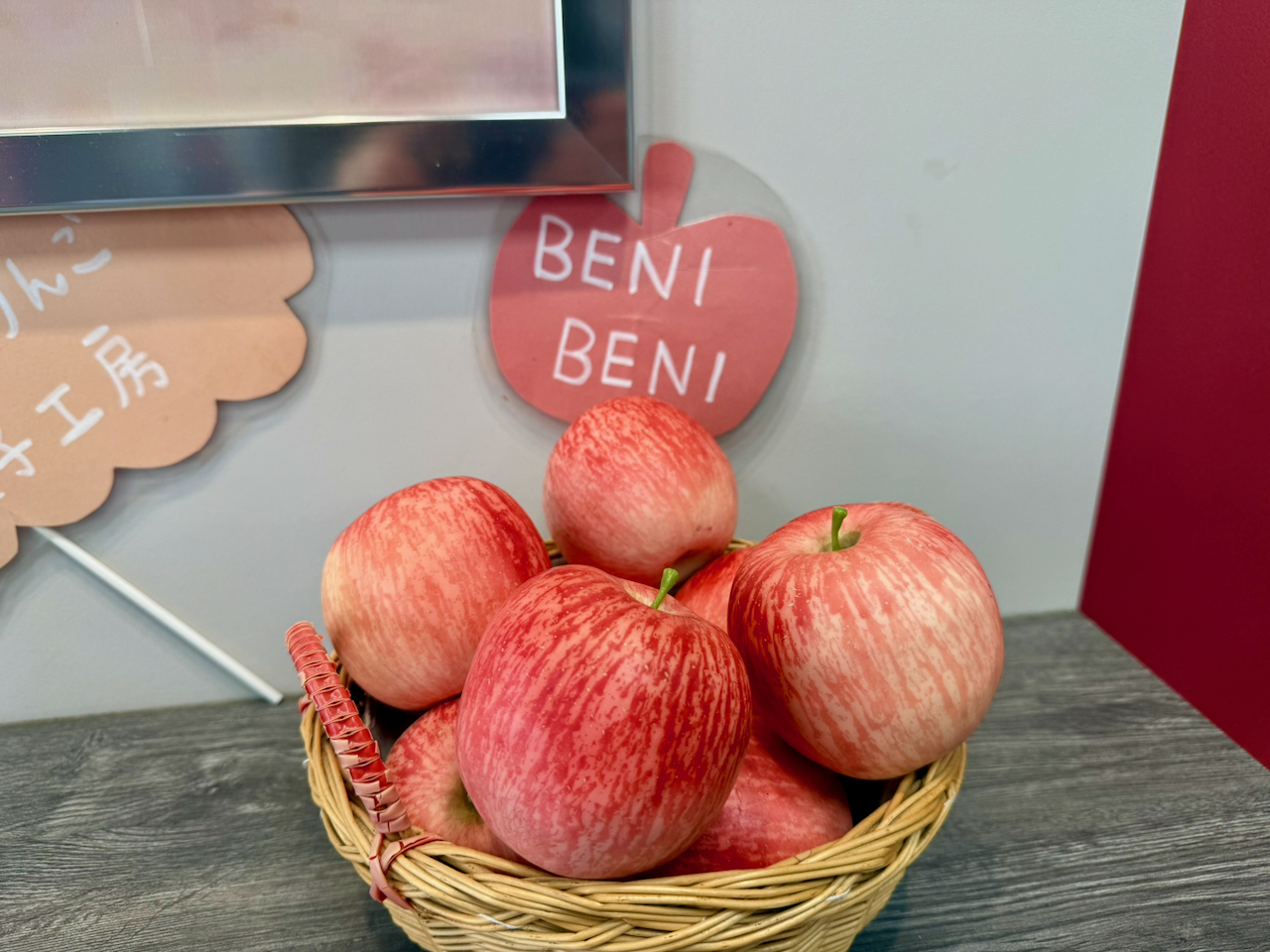
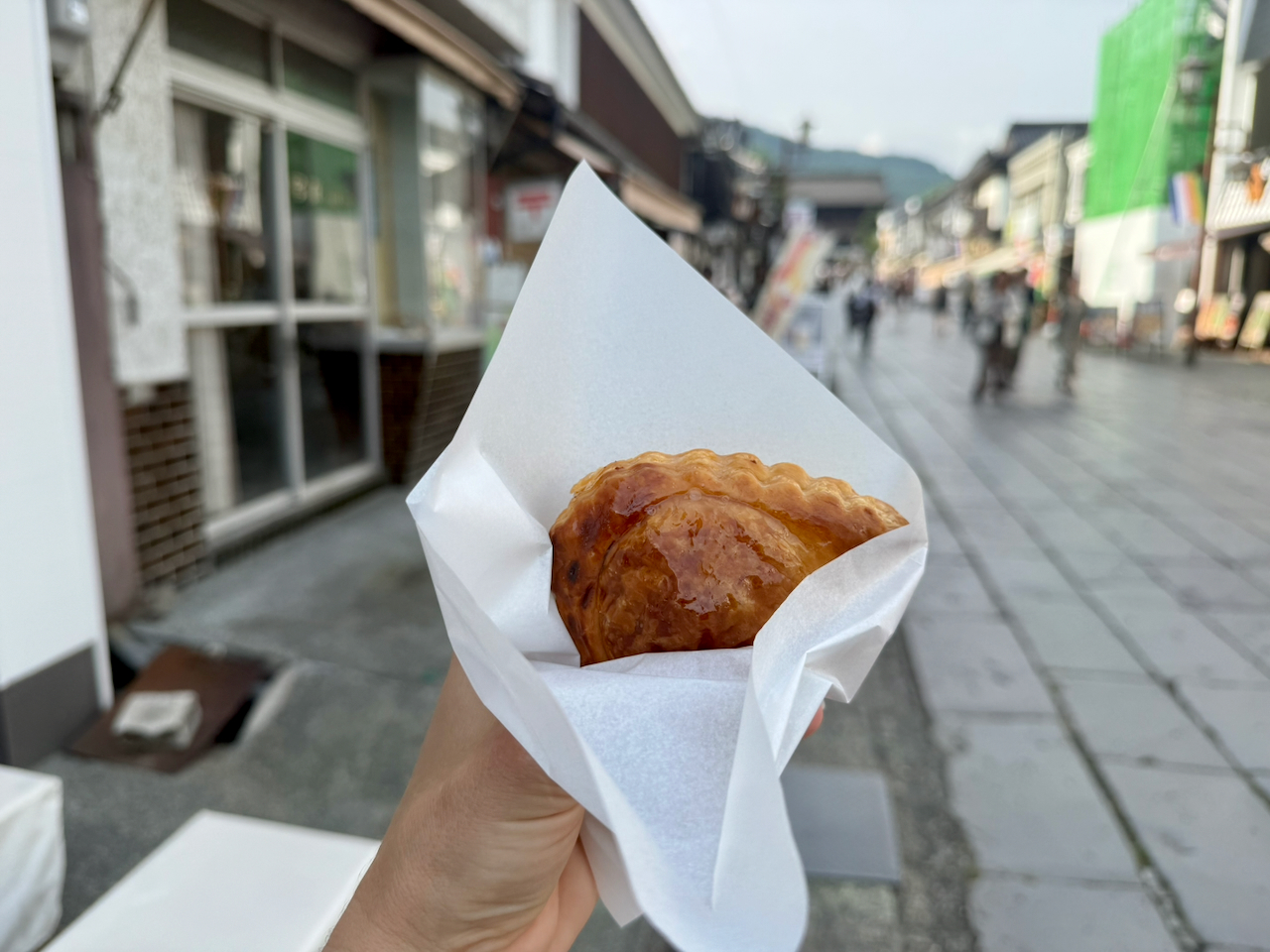
You can also find apple products in souvenir stores around the city and inside the shopping areas at Nagano Station.
If you’re visiting in autumn, you’ll have an even better opportunity to try locally grown fresh apples. The main harvest season varies by variety, generally running from late summer through fall.
Even during our summer visit, the apple pastries were a fun way to try one of the region’s most famous specialties.
Eat Shinshu Soba Noodles
Another local specialty you absolutely should try in Nagano is Shinshu soba. Nagano Prefecture is famous for its buckwheat noodles, and the cooler mountain climate has historically made it an important soba-producing region.
Soba is served in different ways, but one of the most popular is cold noodles accompanied by a dipping sauce.
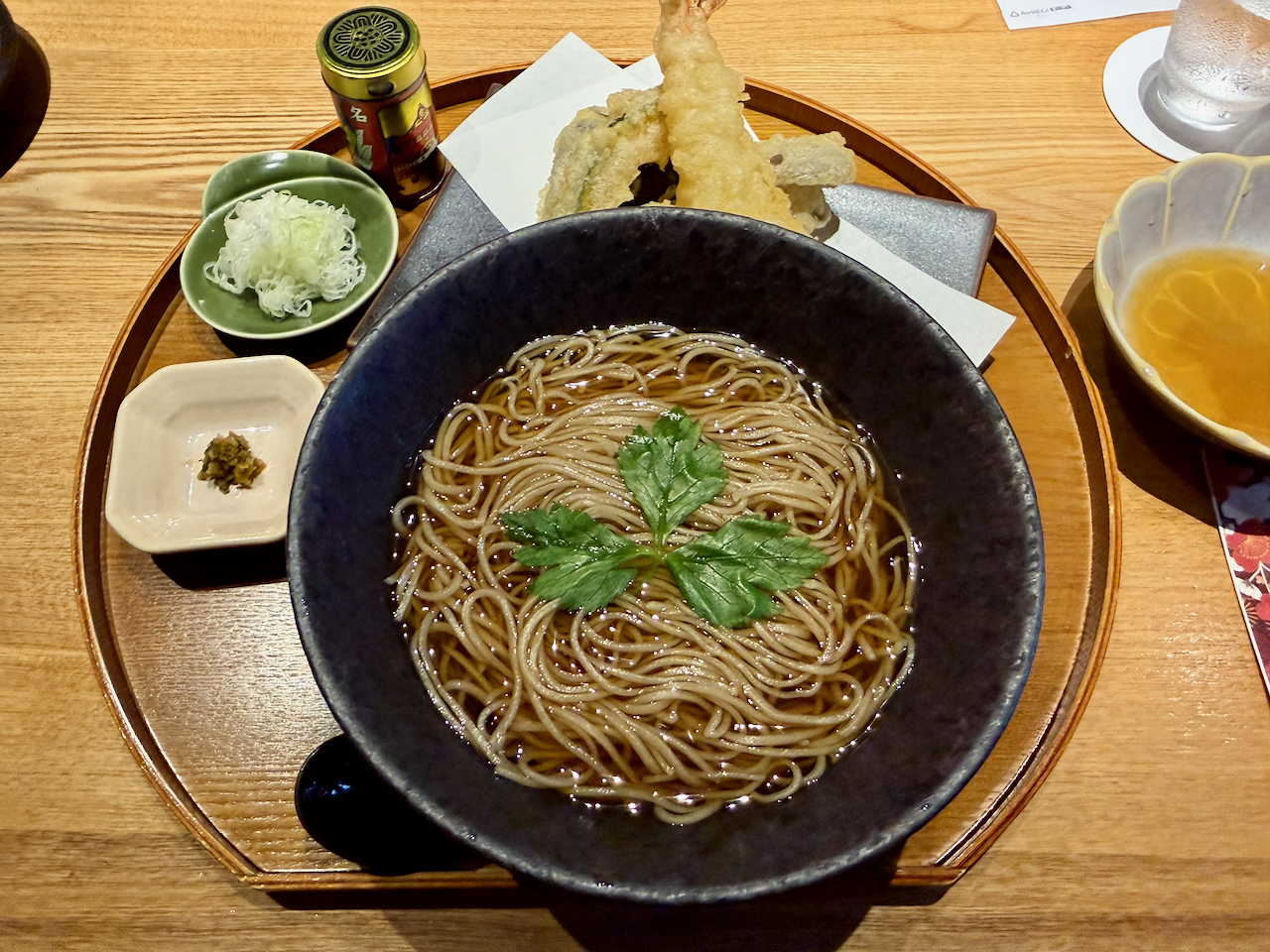
You can also order warm soba in broth, and many restaurants offer tempura as an accompaniment. We made sure to try soba during our visit, and it’s definitely something I recommend adding to your Nagano food list.
You’ll find soba restaurants around Zenkoji Temple, near Nagano Station, and throughout the city. If you have more time, the nearby Togakushi area is particularly famous for its soba noodles and even offers soba-making experiences.
Try Traditional Oyaki Grilled Over an Open Fire
Another traditional Nagano food worth trying is oyaki. These are Japanese dumplings made from a flour-based dough and filled with savory ingredients such as vegetables, mushrooms, or pickles.
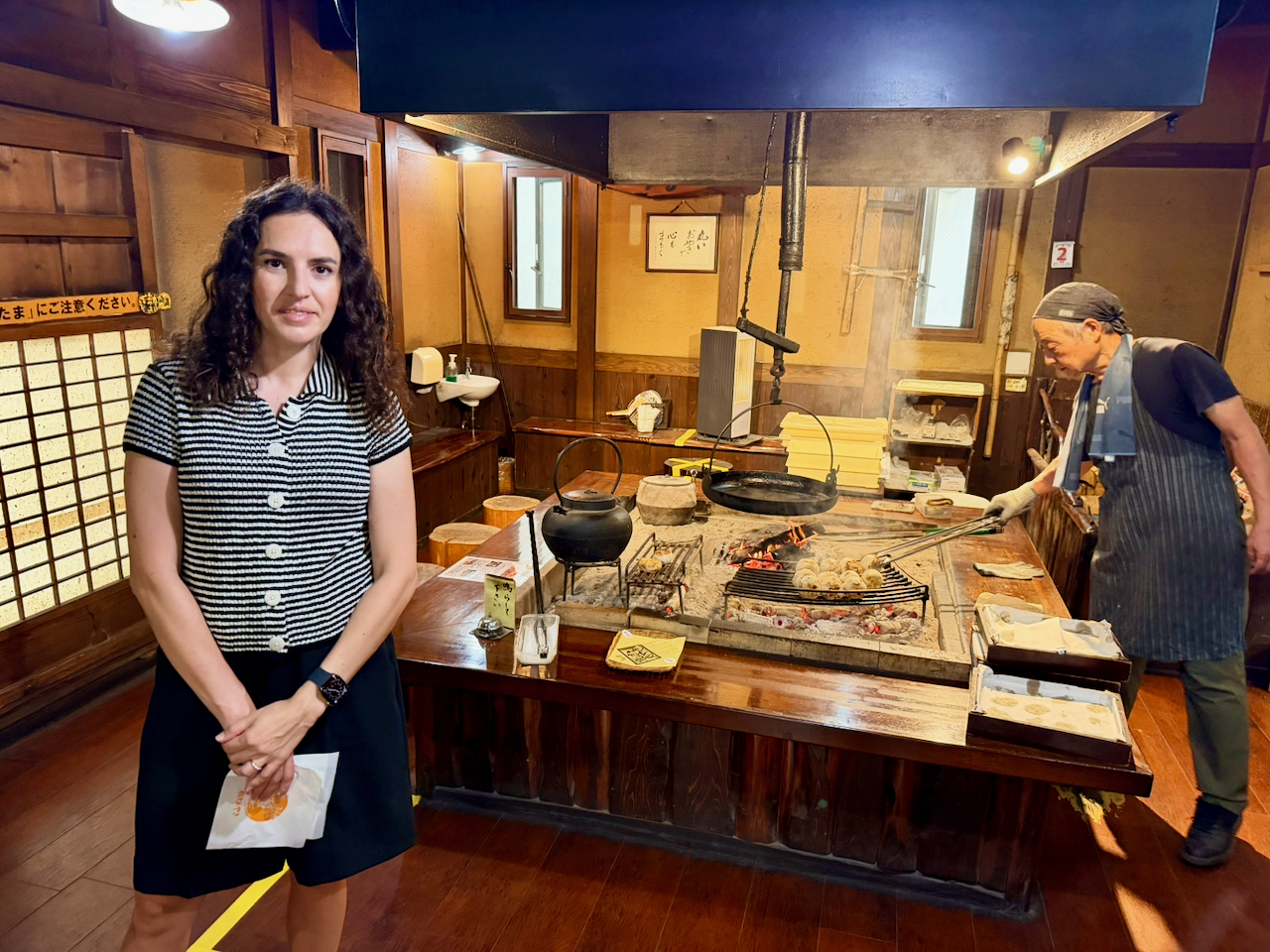
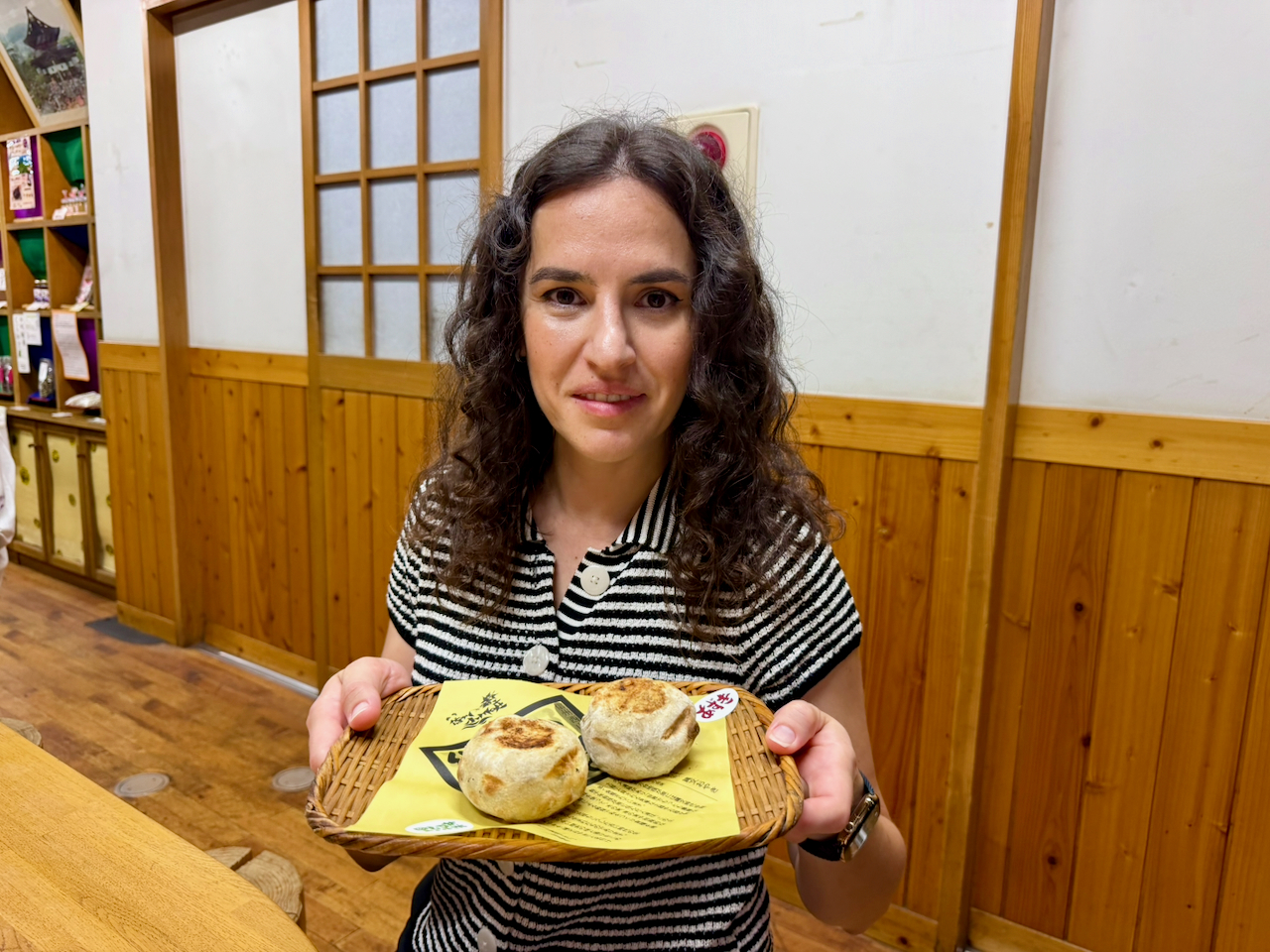
Common fillings include:
- Nozawana, a type of pickled leafy green
- Miso eggplant
- Pumpkin
- Mushrooms
- Sweet bean paste
What makes this experience particularly interesting is that some places still prepare oyaki over a traditional Japanese irori, a sunken hearth with an open fire.
One of the best-known places to try this in Nagano City is Ogawa no Sho, located inside the Patio Daimon complex on the way to Zenkoji Temple.
Here, you can try oyaki cooked over the hearth, and there are also opportunities to learn how to make the dumplings yourself. It’s a nice food stop to combine with a visit to Zenkoji, especially if you’re traveling with kids and want them to try something different.
Experience a Nagano Summer Festival
One of the unexpected highlights of our visit was that we happened to be in Nagano during a local summer festival!
We hadn’t planned our entire itinerary around the festival, so it was especially fun to see the city come alive with celebrations.
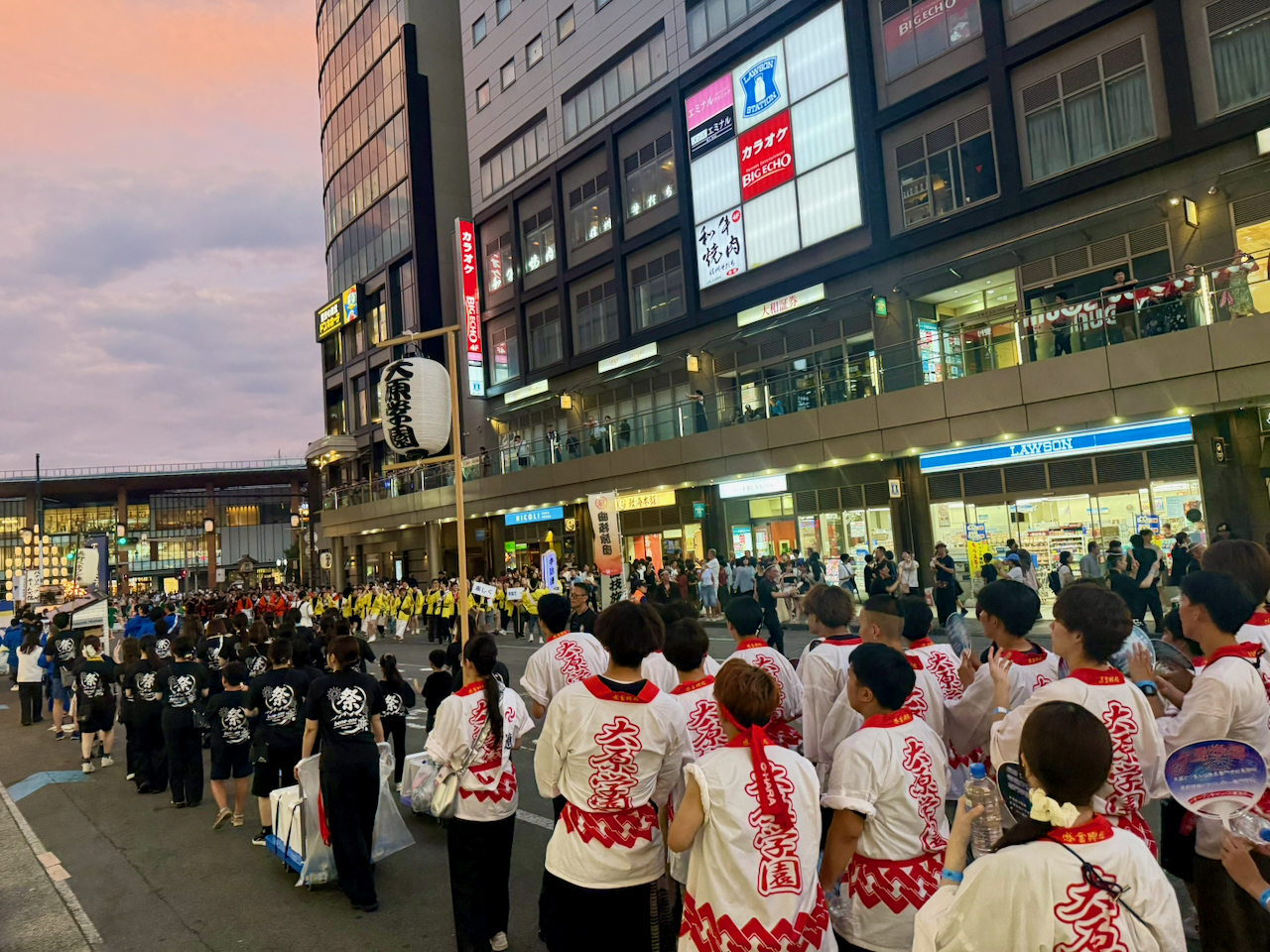
Summer festivals are such a wonderful part of traveling around Japan. Between the atmosphere, music, performances, and people gathering in the streets, it gives you a completely different experience from regular sightseeing.
Nagano’s best-known summer celebration is the Nagano Binzuru Festival, which takes place along the streets leading toward Zenkoji Temple.
The festival features large groups of dancers moving through the streets, traditional music, and food stalls.
In 2026, Nagano Binzuru took place on August 1. If you’re planning a visit in late July or early August, I would recommend checking Nagano’s local festival calendar. You might be lucky enough to experience one of these celebrations during your trip.
Take a Day Trip to Jigokudani Snow Monkey Park
One of the main reasons we included Nagano in our Japan itinerary was to visit Jigokudani Snow Monkey Park.
You have probably seen the famous photos of Japanese macaques relaxing in outdoor hot springs surrounded by snow. But here’s something many travelers don’t realize: you can visit the snow monkeys in summer too!
The park is open year-round, and while the monkeys are most famous for bathing in hot springs during winter, you can also observe them during the warmer months.
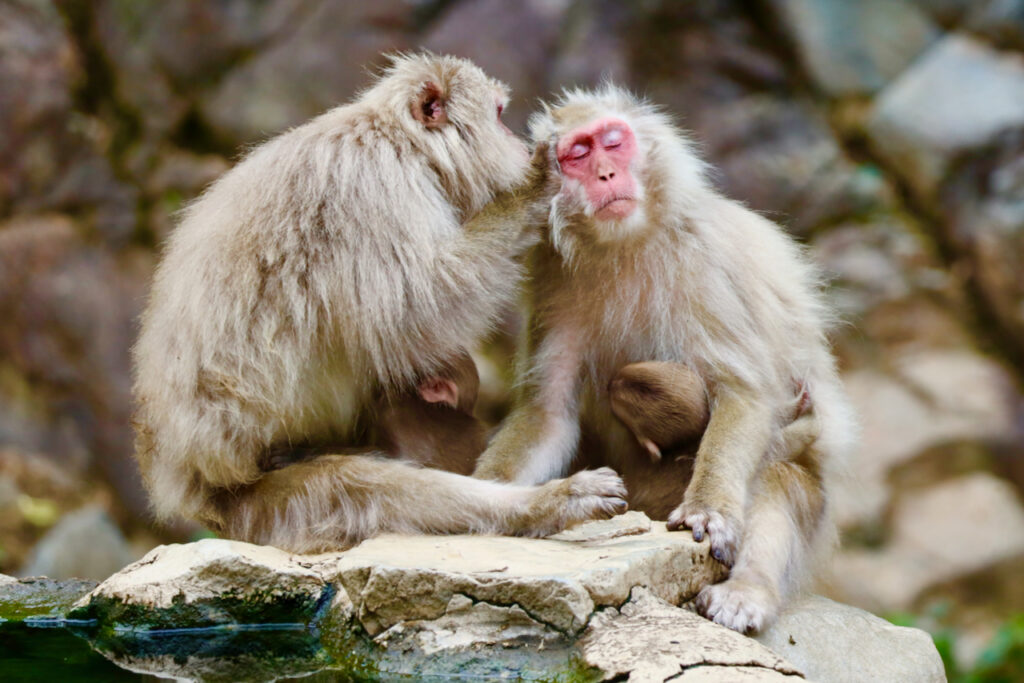
In fact, summer is a particularly interesting time to visit because you may see baby monkeys, which are usually born during spring.
Instead of a snowy landscape, you get a green forest setting and the chance to watch the monkeys interact with one another. Keep in mind that these are wild animals, so sightings are never guaranteed.
How to Get to Jigokudani Snow Monkey Park From Nagano
You don’t need to book an organized tour to visit Jigokudani Snow Monkey Park. We took the direct express bus from Nagano Station, which made the trip relatively straightforward.
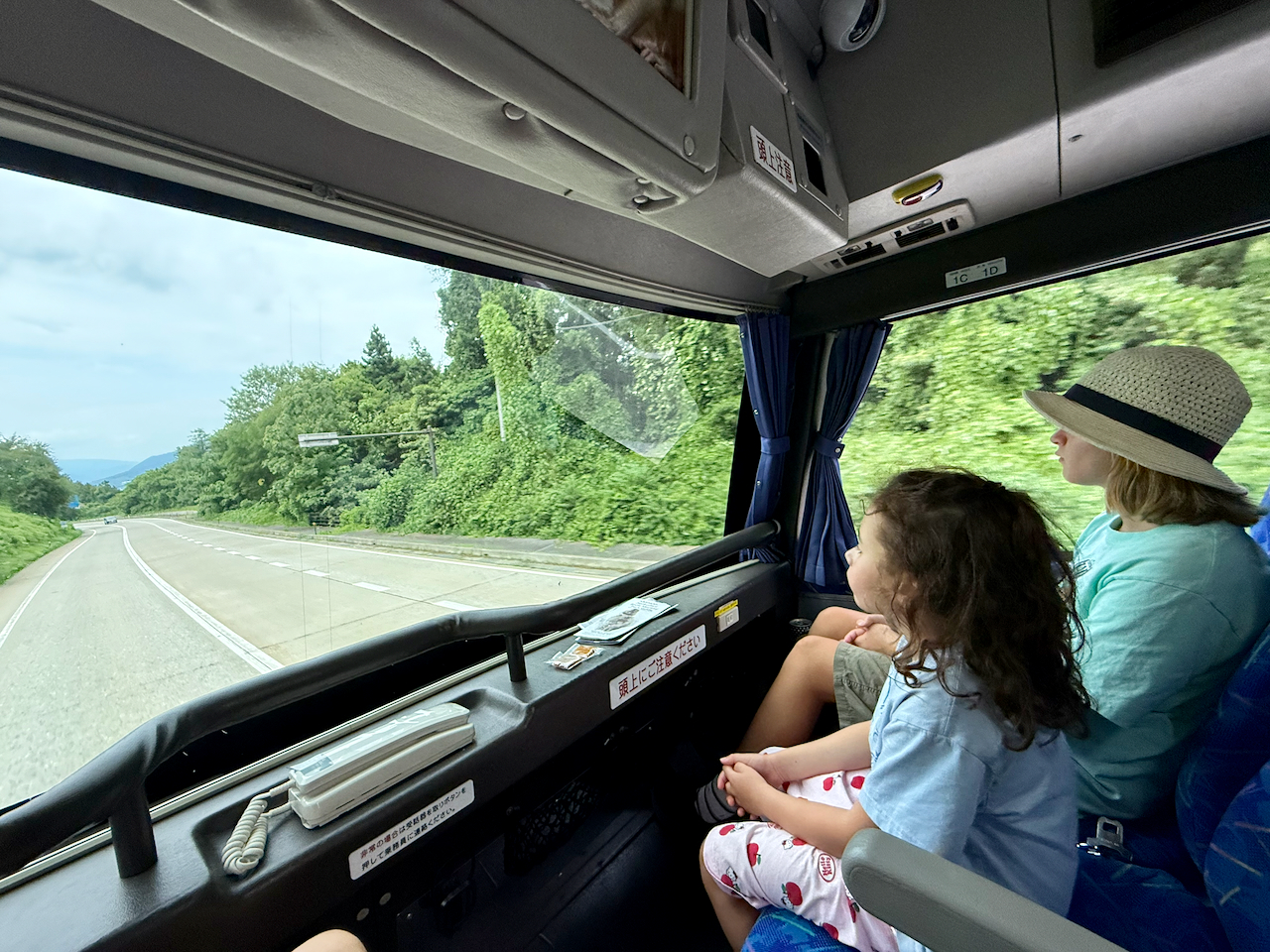
Here’s how to do it:
Step 1: Go to Nagano Station East Exit.
The direct Nagaden Express bus to Snow Monkey Park currently departs from bus stop No. 24 outside the East Exit. Make sure you’re looking for the Snow Monkey Park service rather than a different bus to Shiga Kogen.
Step 2: Get your bus ticket.
We purchased our bus tickets at the station right before departure. Tickets can be purchased at the Nagaden Bus Ticket Center on the first floor near the East Exit, called Aruyo.
Some services use cashless payment, so it’s worth checking the current ticketing instructions before your trip.
Step 3: Take the direct bus to Snow Monkey Park.
The journey takes approximately 50 minutes. There is no train transfer or additional local bus required when using the direct express service.
Step 4: Walk from the bus stop to the park.
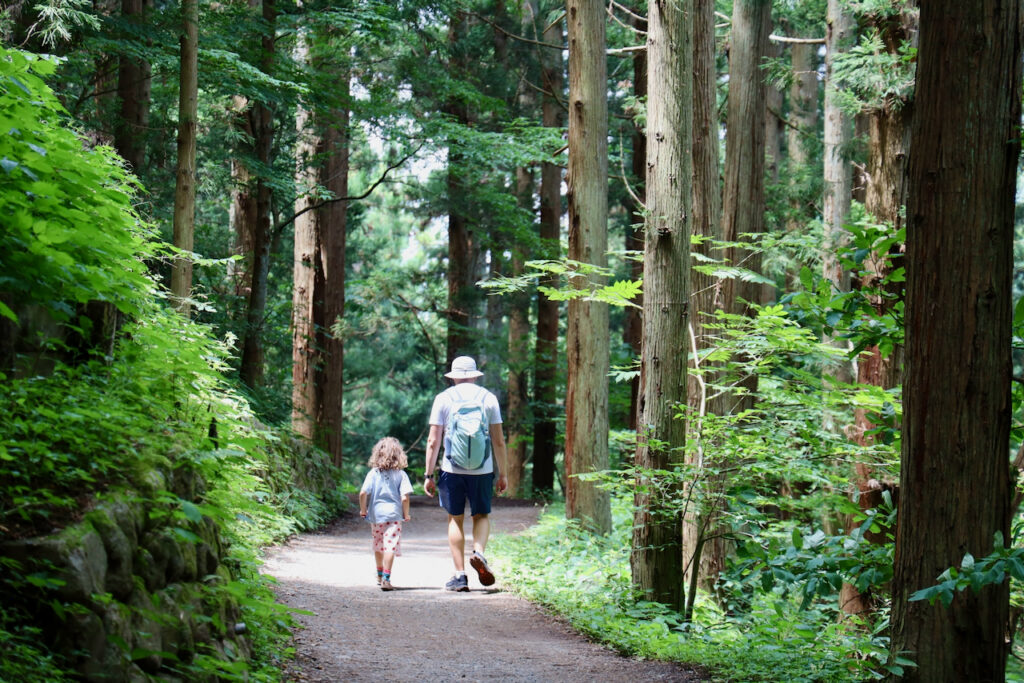
This is the part that’s especially important to know if you’re visiting with children. The bus does not take you directly to the monkeys. First, you’ll walk uphill for approximately 10 minutes to reach the forest trail entrance.
From there, it’s another 25–30-minute walk through the forest to reach the park. Overall, allow about 35–40 minutes of walking each way from the bus stop.
The forest path is approximately 1.6 kilometers long and is generally manageable for school-age children, but it’s not suitable for strollers. Wear comfortable walking shoes and bring water, especially if you’re visiting during summer.
Step 5: Visit the monkeys and return to Nagano.
Once you reach the park, you can observe the macaques in their natural environment. You can get surprisingly close to the monkeys, but remember that you should never touch or feed them.
After your visit, walk back down the same trail and catch the return express bus to Nagano Station.
I would recommend checking the return timetable before starting your walk. There are fewer express buses outside the winter season, and you don’t want to miss your planned departure. You can find the latest schedule through the official Nagaden Bus website.
Jigokudani Snow Monkey Park Opening Hours and Tickets
The park normally operates on the following schedule:
- April–October: 8:30 AM–5 PM
- November–March: 9 AM–4 PM
Opening hours can change depending on weather conditions and the monkeys’ behavior. The park charges a separate admission fee, unless you’re using a transportation pass that includes entry.
Check the official Jigokudani Monkey Park website for current admission prices, online ticketing requirements, and monkey sightings. Before visiting, check the park’s official updates to see whether monkeys are expected to be around.
Is Jigokudani Snow Monkey Park Worth Visiting in Summer?
I think so, especially if you’re visiting Japan with kids! You won’t necessarily get the famous snowy photos of the monkeys sitting in the hot springs. During summer, they generally don’t need to use the hot pools to stay warm.
However, it’s still an opportunity to observe Japanese macaques up close, and seeing the baby monkeys is a highlight of a summer visit.
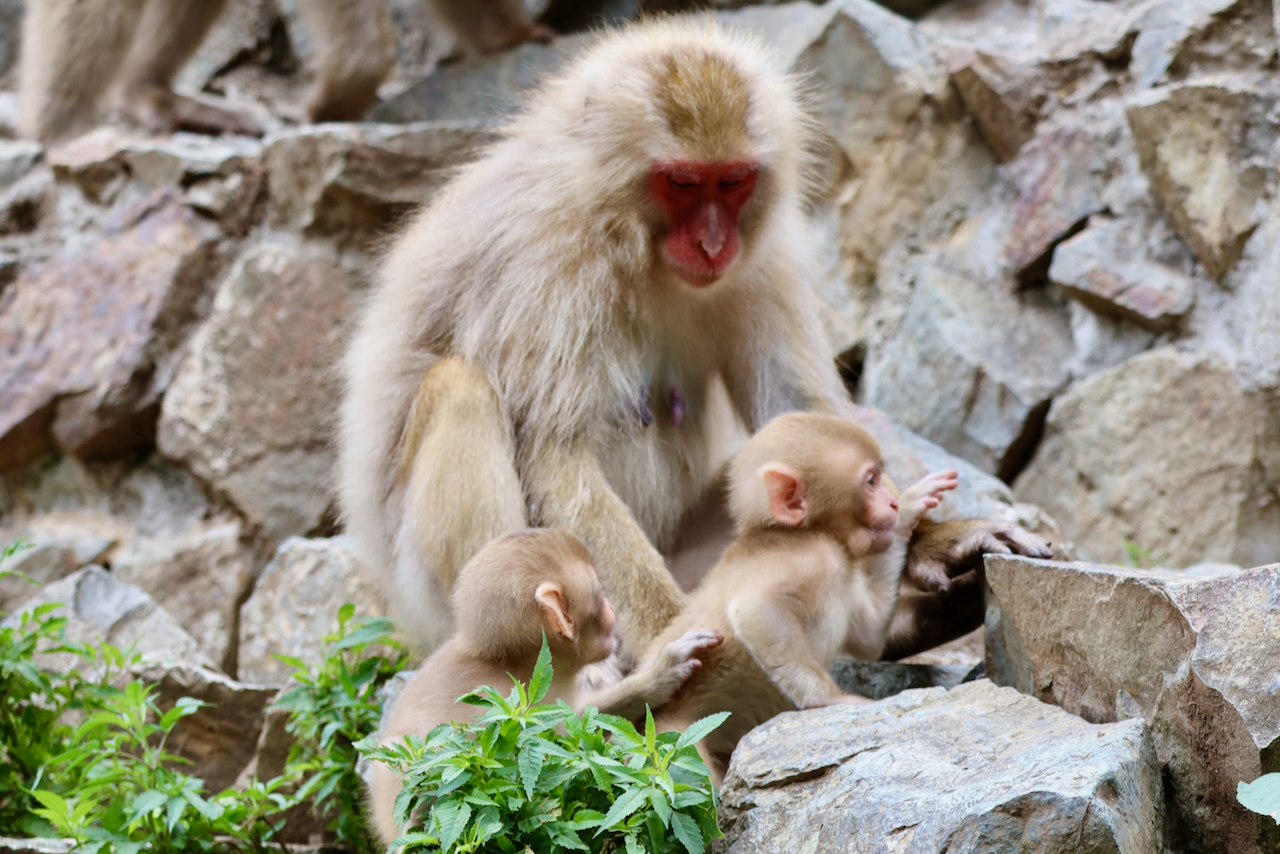
I would plan at least half a day for this excursion, including the bus rides, forest walk, and time at the park. For us, it was one of the experiences we really wanted to include in our first Nagano itinerary.
More Things to Do Around Nagano if You Have Extra Time
We only spent two nights in Nagano, so we didn’t have time to explore everything in the surrounding area.
However, if you’re staying longer, here are a few additional places worth considering.
Visit Togakushi Shrine and the Cedar Forest
Togakushi is a mountainous area approximately one hour from Nagano City by bus. It’s famous for its historic Shinto shrines, forest trails, and beautiful cedar trees.
One of the most popular experiences is walking the impressive cedar-lined path toward Togakushi Okusha Shrine.
The walk to the upper shrine involves approximately 2 kilometers each way from the trailhead, so allow enough time and wear comfortable shoes. It’s a great option if you enjoy nature and hiking.
Take the Kids to Togakushi Ninja Village
If you’re visiting Nagano with children, another fun option is Chibikko Ninja Village, located in the Togakushi area. Kids can dress up as ninjas and participate in obstacle courses, activities, and other ninja-themed experiences.
It’s particularly suitable for families with younger children who enjoy active outdoor attractions. The village operates seasonally, so check the opening dates before planning your visit.
Visit Obuse for Chestnut Desserts and Art
Obuse is a small town located approximately 25–35 minutes from Nagano Station by train. It’s famous for two things: chestnuts and the Japanese artist Katsushika Hokusai.
You can visit the Hokusai Museum, walk through the town’s traditional streets, and try some of its famous chestnut desserts. If you love Japanese pastries, Obuse would be a very good addition to your itinerary.
Explore Nagano’s Olympic History
If, like me, you remember the 1998 Winter Olympics, you might also enjoy visiting some of Nagano’s remaining Olympic venues.
One option is M-Wave, the arena used for Olympic speed skating.
It also houses the Nagano Olympic Museum, which displays memorabilia from the Games, including the Olympic torch and medals. The museum generally opens on weekends and national holidays, so check the schedule before visiting.
Another easy option in central Nagano is the Nagano Prefectural Museum of Art, located near Zenkoji Temple, especially if you have time for an additional museum stop.
Where to Stay in Nagano: Our 2 Nights at SAUNA VILLA Zen
Now, let’s talk about where we stayed in Nagano, because this was another memorable part of our trip. If you follow our family travels, you know that we book many of our hotels using credit card points and miles.
During this Japan trip, we booked eight hotel nights in Tokyo and Osaka using points, with $0 in additional room costs.
At our stay at the Grand Hyatt Tokyo, we even enjoyed complimentary breakfast and evening food through the Grand Club. You can read more about that in our Grand Hyatt Tokyo Family Review.
One of my favorite things about traveling on points is that it gives us more flexibility with the rest of our budget.
For Nagano, we didn’t find a hotel points redemption, so we decided to pay cash and book somewhere a little different.
Roman found SAUNA VILLA Zen, a small property with private saunas in select suites. And if there is one thing you should know about me, it’s that I LOVE saunas!
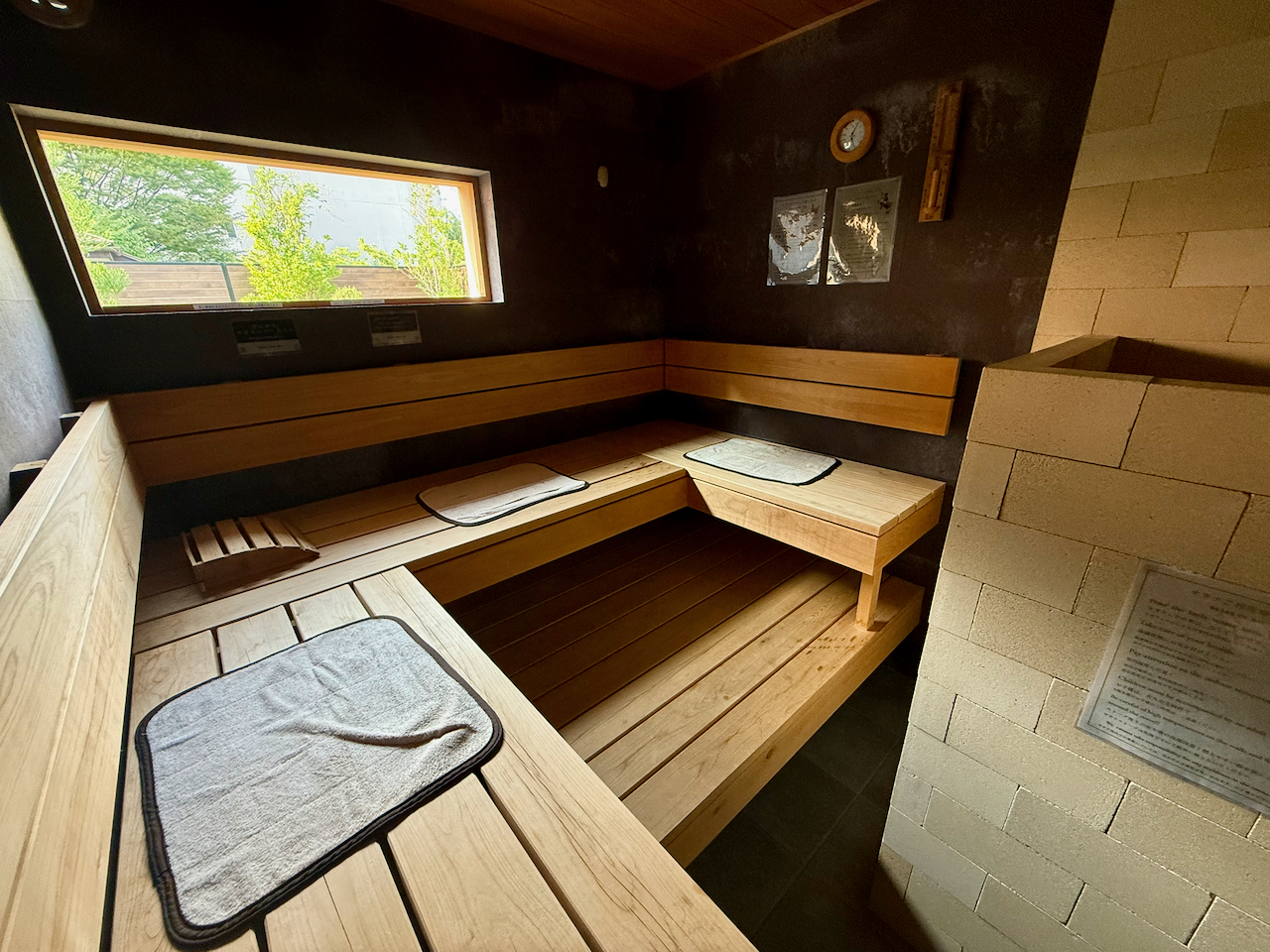
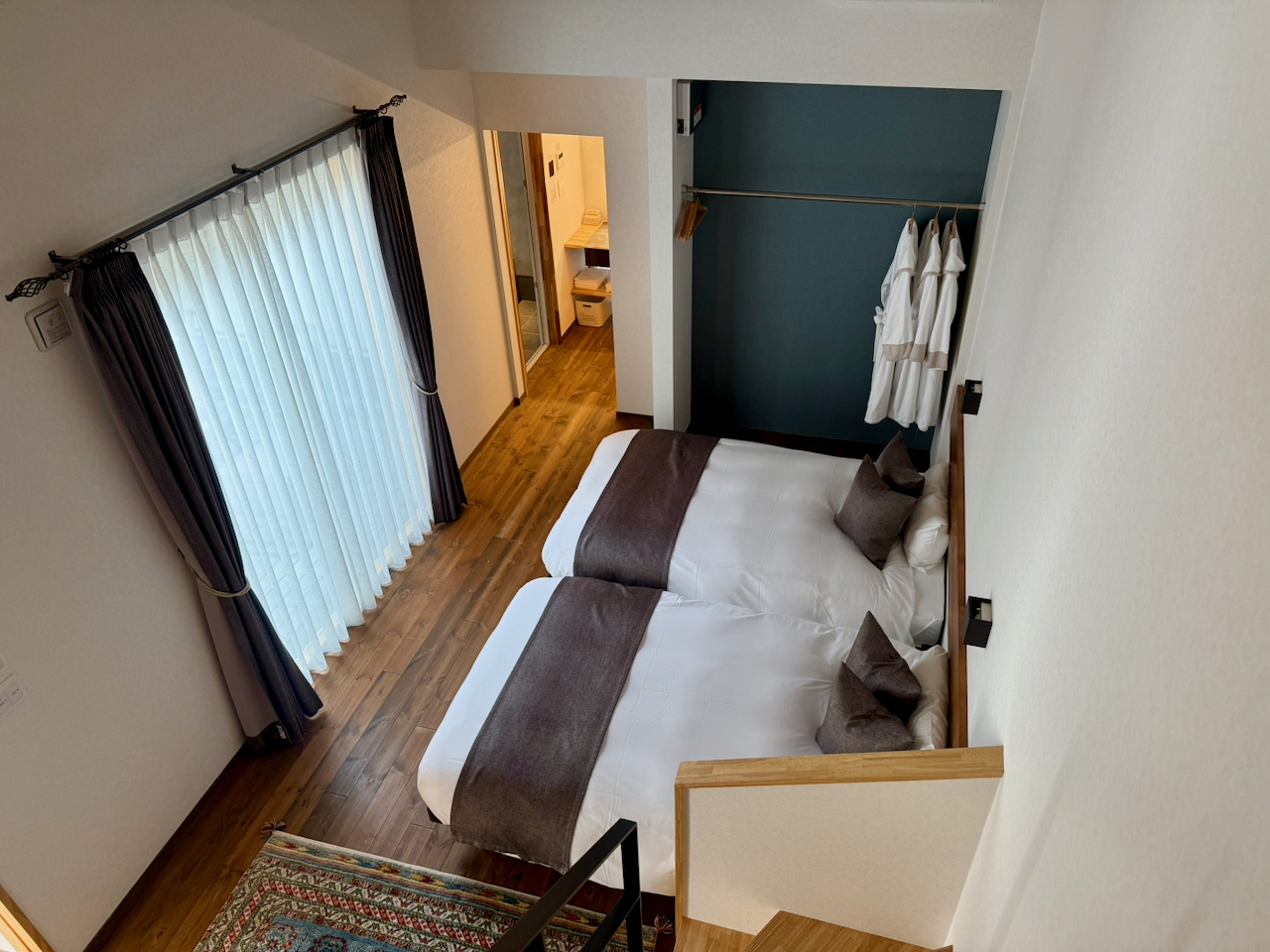
Growing up, going to the sauna every week was a big part of my life, so when I learned we could book a hotel with our own private sauna, I was very excited. The kids, however, did not appreciate the sauna nearly as much as I did, haha!
We booked a spacious suite that comfortably accommodated our family of four. Some of its highlights included:
- Private sauna inside the suite
- Kitchen with cooking facilities
- Outdoor patio/deck
- Spacious sleeping area
- Private bathroom
- Enough room for our family of four
The property’s largest suite is approximately 84 square meters and can accommodate up to six guests. The location also worked well for us. We could walk to the main shopping and dining streets, as well as Zenkoji Temple.
Nagano Station was approximately a 15–20-minute walk away, depending on the route. One thing to know is that SAUNA VILLA Zen uses a self-check-in system, so don’t expect a traditional hotel front desk.
Also, not every room category includes a private sauna, so make sure to check the exact room type before booking. For our family, it was a fun change from the larger chain hotels where we had stayed in Tokyo and Osaka.
You can see the available room types on the SAUNA VILLA Zen official website.
Best Areas to Stay in Nagano
If you’re visiting Nagano for the first time, I would focus on two areas.
Near Nagano Station: This is the most convenient location if you’re arriving by train, taking the express bus to Jigokudani, or leaving early the next morning. You’ll also find plenty of restaurants and hotels around the station.
Near Zenkoji Temple: This is a better choice if you want to stay closer to Nagano’s historic center, explore on foot, and enjoy the quieter streets in the evenings.
Another interesting option is staying in a traditional temple lodging, called shukubo, near Zenkoji. Some accommodations offer a more traditional Japanese experience and opportunities to attend morning Buddhist ceremonies.
For our two-night visit, staying between Nagano Station and Zenkoji worked very well.
Tips for Visiting Nagano for the First Time
After our first visit, here are a few things I would recommend keeping in mind:
- Stay at least two nights if possible. One day for the city and another for the monkeys makes the experience much more relaxed.
- Don’t underestimate the summer heat. Nagano is surrounded by mountains, but the city can still be hot during summer.
- Check the Snow Monkey Park bus schedule. Summer services are less frequent than winter services.
- Bring comfortable shoes. Both Nagano’s historic streets and the trail to Jigokudani involve plenty of walking.
- Leave time for food stops. Nagano has excellent local specialties, and exploring the little shops around Zenkoji was one of our favorite activities.
- Look up local events. If you’re traveling in summer, you may be able to experience one of Nagano’s traditional festivals.
Frequently Asked Questions About Visiting Nagano
Is Nagano Worth Visiting With Kids?
Yes! We visited with our two daughters and found Nagano a nice change of pace after Tokyo and Osaka. There are family-friendly attractions, walkable streets, local snacks, and the opportunity to see the snow monkeys. The nearby Ninja Village is another option for families with extra time.
Can You Visit Jigokudani Snow Monkey Park Without a Tour?
Yes. You can take the direct Nagaden express bus from Nagano Station to the Snow Monkey Park stop and walk approximately 35–40 minutes to reach the monkeys. A guided tour is not necessary.
Can You See Snow Monkeys in Nagano During Summer?
Yes. Jigokudani Snow Monkey Park is open year-round. The monkeys don’t usually bathe in the hot springs during summer, but you can still observe them, including baby monkeys. Because they are wild animals, sightings are not guaranteed.
Is Nagano a Day Trip From Tokyo?
Yes, Nagano City is approximately 80–120 minutes from Tokyo by Hokuriku Shinkansen. You can visit Zenkoji Temple and explore the surrounding streets on a day trip. However, I recommend staying overnight if you also want to visit Jigokudani.
How Many Days Do You Need in Nagano?
For first-time visitors, I recommend two days or two nights. This gives you time to explore Nagano City and take a day trip to Jigokudani. If you also want to see Togakushi or Obuse, consider three days.
Bottom line
Nagano was a wonderful addition to our summer Japan itinerary, and I’m glad we decided to spend two nights instead of simply visiting the snow monkeys on a day trip.
I loved the slower pace, the traditional streets, the local food, and the opportunity to experience a Japanese summer festival.
Seeing the Olympic reminders around the city also made the visit especially meaningful to me. And of course, our hotel with a private sauna was a highlight of the stay!
If you’re planning your first trip to Japan and want to explore somewhere beyond Tokyo, Kyoto, and Osaka, I think Nagano is absolutely worth adding to your itinerary.
Especially if you’re traveling with kids, two nights here is a great way to experience a different side of Japan without having to rent a car or plan anything too complicated.


